
GOT A QUESTION? CALL US: 571-350-0146
Call Our Experts Today!
(571) 350-0146
info@solarguyspro.com
Mon-Sun: 9am-7pm EST
GOT A QUESTION? CALL US: 571-350-0146
Call Our Experts Today!
(571) 350-0146
info@solarguyspro.com
Mon-Sun: 9am-7pm EST

Geothermal energy can provide steady renewable power, but the high installation costs, location limitations, drilling risks, and expensive maintenance are major disadvantages for most homeowners. That’s why many families are now choosing solar power systems instead—especially modern solar + LiFePO4 battery setups that are easier to install, scalable, and far more practical for everyday energy independence.
If you’ve been researching geothermal systems for your home, cabin, or backup power setup, you’ve probably realized something fast: the upfront cost can feel brutal. We’ve seen homeowners shocked after getting quotes ranging from $20,000 to $50,000+ just for residential geothermal heating systems. And honestly? In many cases, solar simply gives you more flexibility for less money.
Geothermal energy is a renewable energy source that uses heat stored beneath the Earth’s surface to generate electricity or provide heating and cooling. Residential geothermal systems typically use underground piping loops and heat pumps to transfer heat between the ground and a home. While efficient in some regions, geothermal systems are expensive to install and highly dependent on local geology.

Here’s the deal: geothermal sounds amazing on paper. Stable temperatures. Renewable energy. Lower emissions.
But once homeowners start comparing real-world costs, installation complexity, and maintenance requirements, solar usually becomes the more practical choice.
Our team at Solar Guys Pro has worked with customers building everything from tiny cabin systems to full 48V off-grid home setups. In our testing and customer feedback, solar consistently wins because it’s:
And unlike geothermal, you don’t need specialized drilling equipment tearing up your yard for weeks.
This is the biggest issue for most homeowners.
Installing a geothermal system usually involves:
We’ve seen homeowners spend enough on geothermal installation to build a full solar + battery backup system twice over.
Compare that to a modern solar setup using:
You can start smaller with solar and expand later. That flexibility matters.
One mistake we see all the time is homeowners overspending on “future-proof” geothermal systems before understanding their actual energy usage. With solar, you can begin with a smaller setup and add more panels or batteries later.
That modular approach saves thousands.
Solar works almost everywhere sunlight exists.
Geothermal? Not so much.
Certain regions simply don’t have the underground conditions needed for efficient geothermal energy production. Rocky terrain, poor soil conditions, and limited drilling access can make projects expensive or completely impractical.
Meanwhile, solar systems work on:
We’ve helped customers build systems in deserts, snowy mountain regions, coastal areas, and rural properties.
That versatility is hard to beat.
Look, trenching your yard isn’t fun.
One homeowner we spoke with described the experience as “turning the property into a construction site for weeks.”
Solar installation is usually much cleaner and faster.
When our team tests solar kits, the difference is obvious physically too. You hear the clean click of MC4 connectors snapping together. You feel the solid weight of a LiFePO4 battery rack sliding into place. Modern solar gear is designed to be modular and installer-friendly.
Geothermal installations often require:
That complexity adds time and cost fast.
| Feature | Geothermal Systems | 48V Solar Systems |
|---|---|---|
| Installation Cost | Very High | Moderate |
| Expandable Later | Difficult | Easy |
| Installation Time | Weeks | Days |
| Maintenance | Specialized | Simple |
| Works in Most Locations | No | Yes |
| Backup Power Capability | Limited | Excellent |
| DIY Friendly | No | Yes |
| Scalability | Limited | High |
If your goal is lower utility bills, energy independence, or backup power, these systems often make far more sense than geothermal.
The biggest advantage of this setup is its ability to power an entire home without the massive excavation costs of geothermal systems. This system is especially ideal for homeowners wanting true off-grid capability with room to expand later.
We’ve seen families use this kind of setup to run HVAC systems, refrigerators, well pumps, and workshops during long outages.

A rural homeowner using electric well pumps and mini-split HVAC systems can operate nearly their entire property using this setup while avoiding expensive geothermal drilling costs.
If you're trying to size a full-home setup, check out our off-grid solar kits at Solar Guys Pro. We’re enthusiasts, not hot shots, and we’ll help you figure out what actually fits your needs.
This setup solves a different problem: portable backup power.
Unlike geothermal, you can move this system anywhere.

We’ve seen RV owners use this during summer road trips to power induction cooktops, laptops, and portable AC units while camping completely off-grid.
For homeowners wanting maximum roof output, these panels deliver serious production with fewer panels needed overall.
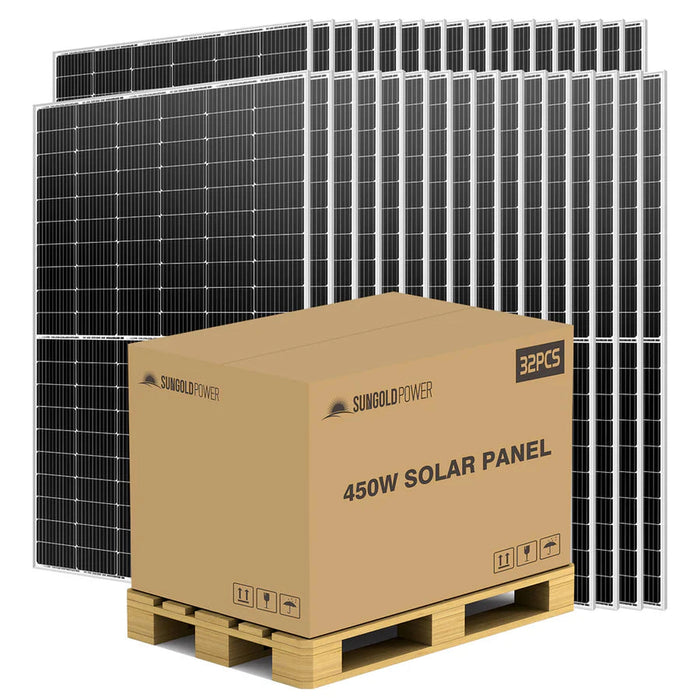
A homeowner with limited roof space can generate more usable power compared to older lower-wattage panels, helping offset rising utility rates faster.
Look at your last 12 months of electric bills.
Focus on:
Solar works well if you have:
Geothermal requires:
This is where solar crushes geothermal.
Need more storage later?
Add batteries.
Need more production?
Add panels.
Geothermal systems don’t scale nearly as easily.
Geothermal systems may require:
Solar systems are usually far simpler.
In our experience, modern LiFePO4 solar systems are incredibly low maintenance when installed correctly.
Several things changed recently:
Solar isn’t just for hardcore off-grid people anymore.
Families are using solar to:
And honestly? The technology has become much more user-friendly.
People often buy huge systems before understanding their actual daily consumption.
Start with:
We strongly recommend LiFePO4 batteries over older lead-acid systems for most homeowners because they:
We partner with trusted brands because quality matters long-term.
Cheap panels may save money upfront but cost more later through:
The biggest disadvantage is the extremely high upfront installation cost. Residential geothermal systems often require expensive drilling, excavation, and specialized labor.
In most residential cases, yes. Solar systems are usually far more affordable upfront and easier to expand later with additional panels or batteries.
Many homeowners prefer solar because it’s modular, scalable, easier to install, and effective for backup power during outages.
Absolutely. Modern 48V solar systems with LiFePO4 batteries can power HVAC systems, refrigerators, lighting, well pumps, and other major appliances.
No. Geothermal systems depend heavily on underground geology and local conditions, while solar can work in most regions with decent sunlight exposure.
Look, geothermal energy isn’t bad technology. In the right location with the right budget, it can work very well.
But for most homeowners? Solar is simply more practical.
It’s easier to install. Easier to scale. Easier to maintain.
And thanks to modern LiFePO4 batteries, high-efficiency Mono PERC panels, and smarter hybrid inverters, solar power systems today are more capable than ever.
At Solar Guys Pro, our goal is simple: make solar fun and accessible without the corporate nonsense. We partner with high-quality brands, provide responsive support, and help real people build systems that actually fit their lives.
Check out our premium solar kits, batteries, inverters, and portable power systems today at Solar Guys Pro. And if you find a better deal elsewhere, our Price Match Guarantee helps make sure you get the best value possible without sacrificing quality or support.
Leave a comment