
GOT A QUESTION? CALL US: 571-350-0146
Call Our Experts Today!
(571) 350-0146
info@solarguyspro.com
Mon-Sun: 9am-7pm EST
GOT A QUESTION? CALL US: 571-350-0146
Call Our Experts Today!
(571) 350-0146
info@solarguyspro.com
Mon-Sun: 9am-7pm EST

As homeowners, RV travelers, and off-grid enthusiasts continue shifting toward renewable energy, one technology has quickly risen to the top: LFP Batteries. These lithium iron phosphate batteries are now the go-to choice for modern solar energy storage systems for one major reason—they outperform nearly every other battery chemistry in safety, lifespan, efficiency, and reliability. In this guide, we break down exactly why they’ve become the gold standard and why they’re transforming the way we power homes and off-grid setups. This article will be published on SolarGuysPro.com.
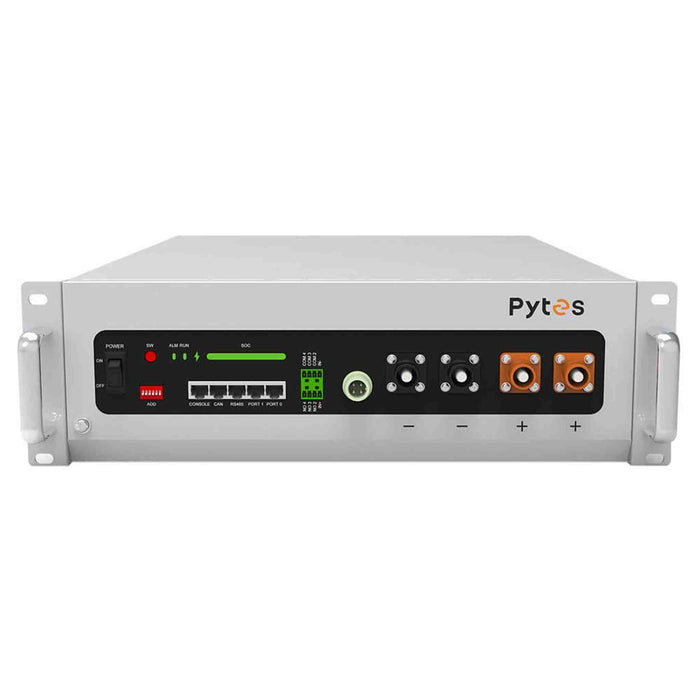
LFP batteries—short for Lithium Iron Phosphate or LiFePO₄—are a subtype of lithium-ion technology that uses iron phosphate as the cathode material. This seemingly simple difference makes them chemically more stable, longer-lasting, and significantly safer than older lithium chemistries like lithium cobalt oxide.
While they’ve been used in industrial applications for decades, LFP batteries have recently soared in popularity due to major price drops, improvements in energy density, and the exploding solar energy market. Today, they power everything from portable solar generators to whole-house battery banks, EVs, golf carts, marine systems, and UPS backup systems.
In a solar system, battery reliability is everything. Unlike grid-tied power, stored solar energy depends heavily on how well batteries charge, discharge, handle heat, and maintain capacity over years of use. That is exactly where LFP dominates.
Safety is the number one reason LFP has become the top choice for home and off-grid solar systems.
Unlike other lithium chemistries, LFP:
Is extremely stable
Is resistant to overheating
Has near-zero risk of thermal runaway
Won’t combust under stress
Has no toxic cobalt, nickel, or manganese
Where lithium-ion batteries can overheat or degrade dangerously, LFP maintains stable internal chemistry even during high load, rapid charging, or extreme temperatures. This makes them ideal for indoor installations, RVs, cabins, and mobile systems where safety is critical.
Battery lifespan is measured in charge cycles. A cycle is one full use—from 100% to 0% and back again.
Here’s the difference across battery types:
| Battery Chemistry | Average Cycles | Years of Use |
|---|---|---|
| Lead-Acid | 300–500 | 1–3 years |
| AGM | 600–1,000 | 2–4 years |
| Standard Lithium-Ion | 800–1,500 | 3–6 years |
| LFP Batteries | 3,000–6,000 (often more) | 10–15+ years |
Some of today’s best LFP systems can reach 6,500 cycles before dropping to 50% capacity—roughly four times longer than standard lithium-ion batteries.
This means:
Fewer replacements
Lower long-term costs
Better return on investment
More dependable energy storage
LFP batteries consistently deliver more usable power than other chemistries. Lead-acid batteries, for example, should never be discharged below 50%, or they degrade rapidly.
But LFP batteries can safely discharge up to 80–100% of their capacity without damage. On top of that, their:
Round-trip efficiency reaches 95–98%
Self-discharge rate is extremely low
Voltage remains stable even under heavy load
This means more of your solar power is actually stored and used—making your solar system more efficient overall.
Comparing the weights:
Lead-acid batteries are extremely heavy
AGM batteries are slightly lighter
Lithium-ion is much lighter
LFP batteries are the lightest and most compact of all
This makes them perfect for:
RVs and camper vans
Marine systems
Portable solar power stations
Off-grid cabins with limited space
You get more power per pound and more capacity in a smaller footprint.
LFP batteries maintain excellent performance across a broad operating range:
-4°F to 140°F (-20°C to 60°C)
This is critical for remote, off-grid, or outdoor solar installations. Many systems also come with built-in battery management systems (BMS) that protect them from overcharging, freezing, overheating, and short circuits.
LFP batteries contain:
No cobalt
No toxic heavy metals
No harmful off-gassing
They’re recyclable, more sustainable long-term, and far less harmful to produce than traditional lithium-ion batteries.

Because of their incredible reliability, safety, and lifespan, LFP batteries have expanded into nearly every major energy sector.
LFP batteries have become the top choice for solar storage because they:
Provide long cycle life
Maintain consistent voltage
Work efficiently with solar charge controllers
Offer high daily usability
Require virtually no maintenance
Modern home systems like rack-mounted units, wall-mount batteries, and whole-house solar generators—often rely completely on LFP technology.
Off-grid systems benefit even more since reliability and durability determine how well the system performs year after year.
LFP-powered portable solar generators are exploding in popularity because they:
Last longer
Are safer to store indoors
Charge faster
Deliver stable power for sensitive electronics
Whether you're camping, traveling in an RV, preparing for outages, or powering tools, LFP-based power stations provide dependable, long-lasting energy storage.
For emergency power systems—especially for computers, servers, and medical equipment—LFP batteries offer:
Fast discharge
Reliable backup power
Improved efficiency
Zero maintenance
Much lower risk of failure
Their long lifespan makes them the most cost-effective option for businesses and homeowners alike.
EV manufacturers are increasingly adopting LFP batteries thanks to:
Longer cycle life
Lower degradation
Extreme thermal stability
Lower cost per kWh
High discharge performance
In fact, many new EVs from major global car brands now use LFP technology for their standard-range models.
Although LFP batteries offer huge benefits, there are a few limitations to consider:
They cost more than lead-acid or AGM options—but their lifespan makes them cheaper in the long run.
They store slightly less energy per cell than lithium-ion. However, their safety and lifespan gains usually outweigh this.
Charging below 32°F (0°C) can slow significantly unless the battery includes a built-in heating element.
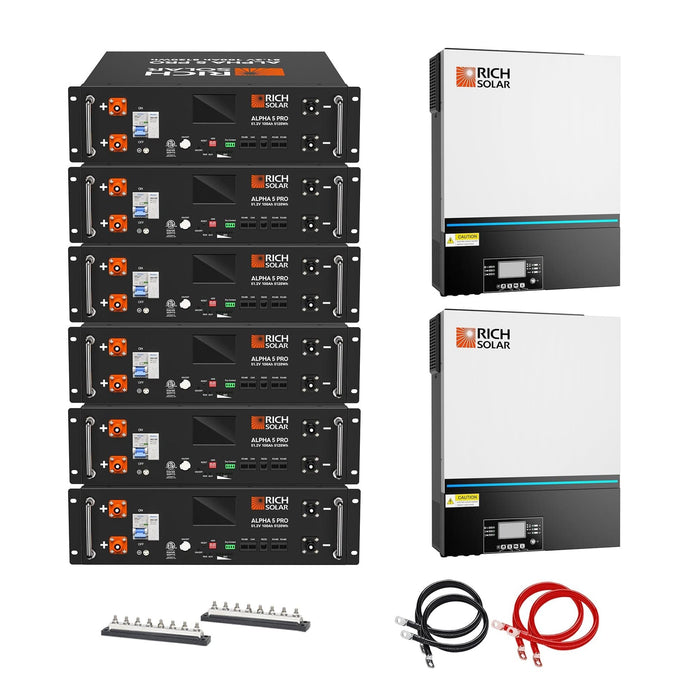
LFP batteries aren’t just a “better” option—they are redefining what modern solar storage looks like.
They:
Deliver unmatched longevity
Increase total usable solar energy
Offer safe indoor installation
Reduce long-term costs significantly
Perform reliably for off-grid living
As solar becomes more mainstream, homeowners and businesses want storage solutions that are dependable, long-lasting, and safe—all of which make LFP the top battery chemistry for the next decade and beyond.
From exceptional safety to industry-leading lifespan and high efficiency, LFP Batteries are the new standard for solar energy storage. Their chemistry makes them ideal for homes, RVs, off-grid cabins, and commercial applications. If you're planning to upgrade or build a solar-powered system, choosing LFP technology ensures better reliability, lower long-term costs, and long-lasting performance. This article will be published on SolarGuysPro.com, where you can explore more guides, insights, and products tailored to modern solar energy needs.
Leave a comment